SEMINAR for
Chiropractors
Physiotherapists
OSTEOPATH
Manual therapists
Sports medicine clinicians
Rehabilitation professionals
who are seeking to refine diagnostic specificity and improve outcome durability.
Discover the Neuromuscular Approach That Can Transform the Way You Diagnose, Treat, and Explain Musculoskeletal Pain.
FREE WEBINAR
A real game changer for clinicians who want better answers, better compliance, better outcomes — and a stronger patient experience.
Every day, practitioners face the same frustrating questions:
Is the cause of the patient’s pain really located where the symptoms appear?
Why does someone wake up with acute pain, even though nothing obvious happened?
Why do symptoms keep returning, despite treatment?
Why is it often so difficult to explain the real problem to the patient in a way they understand?
Why is patient compliance so often poor?
And why do so many clinicians feel they are missing both a powerful marketing message and a genuine WOW factor in practice?
This webinar is designed to answer those questions.
You will be introduced to a neuromuscular approach to diagnosing and treating most musculoskeletal complaints — a clinical model that helps uncover the hidden drivers behind pain and dysfunction, while giving you a far clearer way to communicate with patients.
This webinar is for you if you want to:
move beyond simply treating the site of pain,
understand why symptoms can appear suddenly and seemingly without cause,
reduce the recurrence of common musculoskeletal complaints,
explain pain and dysfunction in a way patients immediately understand,
improve patient trust and compliance,
differentiate yourself in a crowded market,
and deliver an experience that patients remember and talk about.
Imagine if you could…
Confidently identify the true source of a patient’s complaint instead of only chasing symptoms.
Understand the neuromuscular patterns that drive pain, compensation, and recurrence.
Explain to patients why they hurt, why the problem appeared, and why it keeps coming back — in language that makes immediate sense.
Create better patient buy-in, better compliance, and better treatment outcomes.
Offer a clinical experience that feels clear, logical, and different from what patients have had before.
And build a stronger practice by combining better clinical reasoning with a naturally compelling patient message.
What makes this approach different?
This is not just about learning another manual technique or adding one more tool to your toolbox.
It is about changing the way you view musculoskeletal complaints.
By understanding the neuromuscular mechanisms behind pain and dysfunction, you can assess more effectively, communicate more clearly, and treat with greater purpose.
That means less frustration for you, more confidence for your patients, and a more memorable experience overall.
In this webinar, you will discover how to:
uncover hidden causes behind common MSK complaints,
understand why pain can appear without obvious trauma,
recognize why symptoms often recur,
improve the way you explain findings to patients,
increase patient compliance through better understanding,
and create a stronger clinical and commercial identity built around results and clarity.
The result?
A better way to diagnose.
A better way to treat.
A better way to communicate.
A better way to stand out.If you are ready to stop guessing, reduce frustration, and discover a smarter neuromuscular approach to musculoskeletal care, this webinar could change the way you practice.
RESERVE YOUR FREE SPOT TODAY
Learn how to stop chasing symptoms and start identifying what is actually driving dysfunction
Join the webinar and discover a more complete way to diagnose and treat MSK problems
🚀 Why You Should Attend
MMT/NMFT gives you access to underlying neural control mechanisms.
You’ll gain a simple, functional screening tool that’s compatible with any treatment model.
Learn how to make your treatments more precise and successful.
Let patients experience results instantly—no persuasion needed.
Gain tools to treat complex conditions like chronic whiplash, dizziness, headaches, and low back pain.
Screen symptom-free athletes and patients to prevent injuries before they happen.
Understand hidden performance barriers in athletes who seem to plateau.
💥 Don’t miss this opportunity to revolutionize your practice.
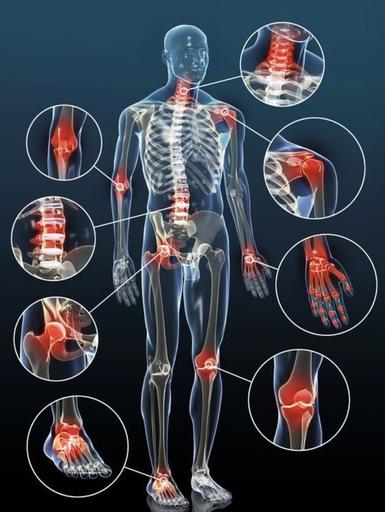
Testimonials of happy practitioners

Frank, Physiotherapist
"Morten knows what he is talking about. His FREE Webinar and knowledge has already helped my patients. "The best since sliced bread".
Niels, Chiropractor
"After this, it's impossible to go back to the old way I was diagnosing and treating my patients. This method is logical, even for my patients, it's reliable and has given me back the joy of seeing patients again".
Pernille, Musculoskeletal practitioner
"I'm now so so so busy after learning and pactising the NMFT method and I get the greatest results and happiest clients ever, so go for it! - it has been a game changer for me and my clients".

James, Chiropractor
"Since implementing NMFT/MMT, patients response has been incredibly. Improvements I function are immediate and measurable. I no longer rely on generic protocols; each session is targeted and effective. And a great thing is that patient satisfaction and retention have increased significantly".
The Missing Piece: Protective Mechanisms in the Neuromuscular System
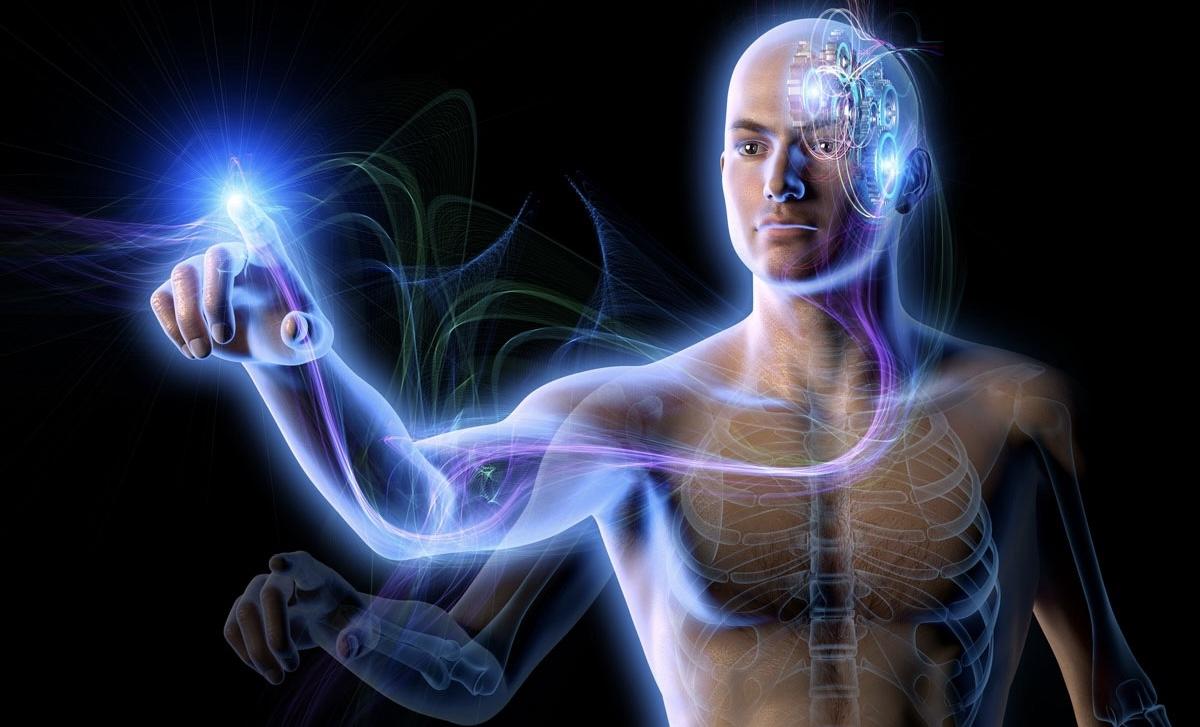
We know the body takes immediate protective action when muscles, tendons, or joints are exposed to extreme forces—whether from trauma, overload, or bad habits.
This often leads to inhibition and muscle weakening.If the reflex arc or mechanoreceptors don’t reset after the stress ends...
👉 We have a lingering dysfunction.
By identifying the affected muscle through NMFT or Manual Muscle Testinging, we can pinpoint the exact reflex arc involved—and treat it effectively.
- results will speak for them selves.
Are you ready for Neuromuscular approach?
Join our FREE 60-minute webinar and learn a powerful functional technique to diagnose and effectively treat the underlying causes of Carpal Tunnel Syndrome, and how to differentiate between the 3 elbow conditions. Thise highly effective methods are just a few of many you'll discover through our specialised functional approach.
🎓 JOIN THE FREE MASTERCLASS
🗓 Wednesday 22nd April 2026 at 7:00 pm (CET) Copenhagen
🗓 Sunday 26th April 2026 at 11:00 am (CET) Copenhagen
✅ Identify root causes – not just symptoms
✅ Learn a hands-on technique you can use immediately
✅ Elevate your neuromuscular diagnostic and treatment skills
✅ Free E-book: "The Future of Neuro Musculoskeletal Health:
Reflex Inhibition: The Silent Saboteur of Neuromuscular control - A Neuromuscular approach to Diagnosis and Treatment of musculoskeletal conditions".
Also get INFO on how to effectively diagnose and treat CTS, Tennis and Golfer's elbow. Techniques you can use straight away!
👉 Reserve your spot now – limited availability!
"By integrating neuromuscular assessment and treatment, you'll make more accurate diagnoses and create targeted, effective treatment strategies—leading to:
Faster recovery
Enhanced performance
Long-lasting results.
Something a purely structural approach simply can’t deliver."
A good call-to-action
Click below to reserve your seat and take the first step toward functional neuromuscular mastery.
We hate spam too. Unsubscribe at any time.